This is an example of a page. Unlike posts, which are displayed on your blog’s front page in the order they’re published, pages are better suited for more timeless content that you want to be easily accessible, like your About or Contact information. Click the Edit link to make changes to this page or add another page.
why does my voice strange in a recording?
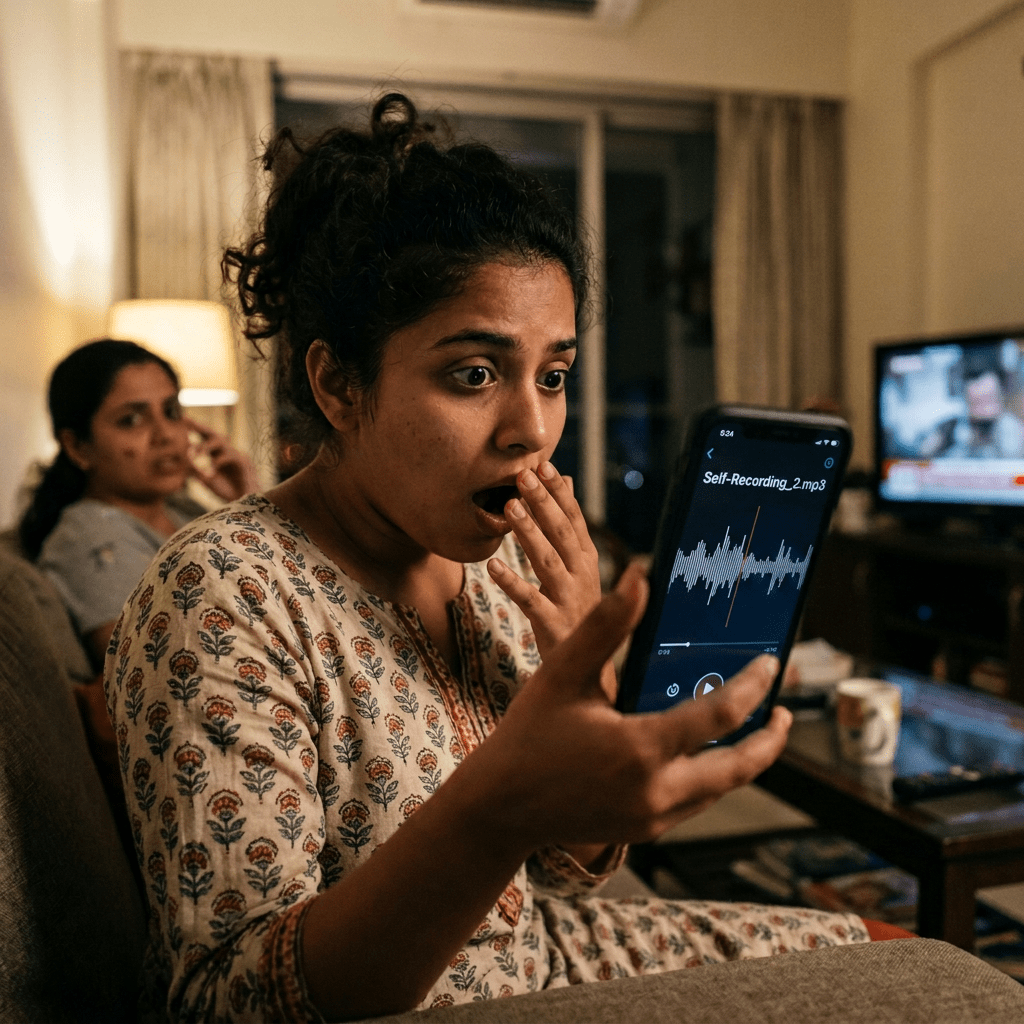
Have you ever made a video of yourself, listened to it later, and thought, “do I really sound like that? If so, there is no need to worry. Hearing your recorded voice can be an unusual experience because it often sounds higher pitched, thinner, deeper, or simply different from the voice you hear when you speak. The ironic thing is that your smartphone has nothing to do with it. What you really hear is different compared to how others hear you.

There are two main ways that the sound of your voice reaches your ears. Air-conduction and bone-conduction. Sound waves travel in a different manner through the air. Air conductions occur when the vibration caused by one’s vocal cords gets into the air, and it goes to one’s ears and gets to their inner ear. Bone-conduction works differently though. When you speak, some of the vibrations form your voice travels through the air and travels through the bones and tissues in your head and reach your inner ear. Your brain receives the two signals and combines them; as a result, when speaking, one hears their voice as a combination of air and bone conduction. Bone-conduction is especially important because it’s helpful in hearing lower frequencies in one’s voice.
When you record yourself the experience changes. The microphone inside of your phone has an external point of view. This means it records the sound waves that pass through the air and not capturing through your bone structure in your head. Therefore, when listening to the recording, you hear yourself through air-conduction. This is the most similar way other people hear you and the way you speak. In other words, the recording technically isn’t making your voice strange. Instead, the recordings could make your voice different from what your used to (higher-pitched, or not as deep) in your head.
Your brain has been getting used to hearing your voice all your life, so the experience feels awkward. Each time you speak, your brain receives a familiar blend of air and bone conduction. When listening to a recording, it’s missing that bone conduction component, which makes it different from what you’re expecting to hear. It has been discovered that in 2023 research, inclusion of bone conduction stimulation has helped people distinguish their voice from that of another person. Therefore, when you listen to your recorded voice and feel that it does not belong to you, it’s not your mind that gets confused about which voice belongs to whom.

So, is this recording accurately representing what you actually sound like to other people? For the most part, yes. There is a difference because of the variation of microphones, phones, headphones, speakers, and the quality of recordings. However, the basic voice or sound that was recorded is similar to the voice of yours that others perceive when you speak. Next time, you listen to a recording and think your voice sound strange, know that there’s nothing wrong with your voice, your just hearing it from a different perspective.

